


Neuralink Pushes Boundaries with First Human Brain‑Computer Interface Trials
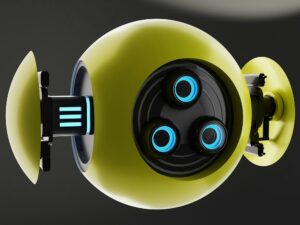
Elon Musk’s company Neuralink has begun its first human trials of brain‑computer interfaces, marking a milestone in merging biology with technology. The device, a coin‑sized implant placed in the skull, connects directly to neurons and allows signals from the brain to control external devices.
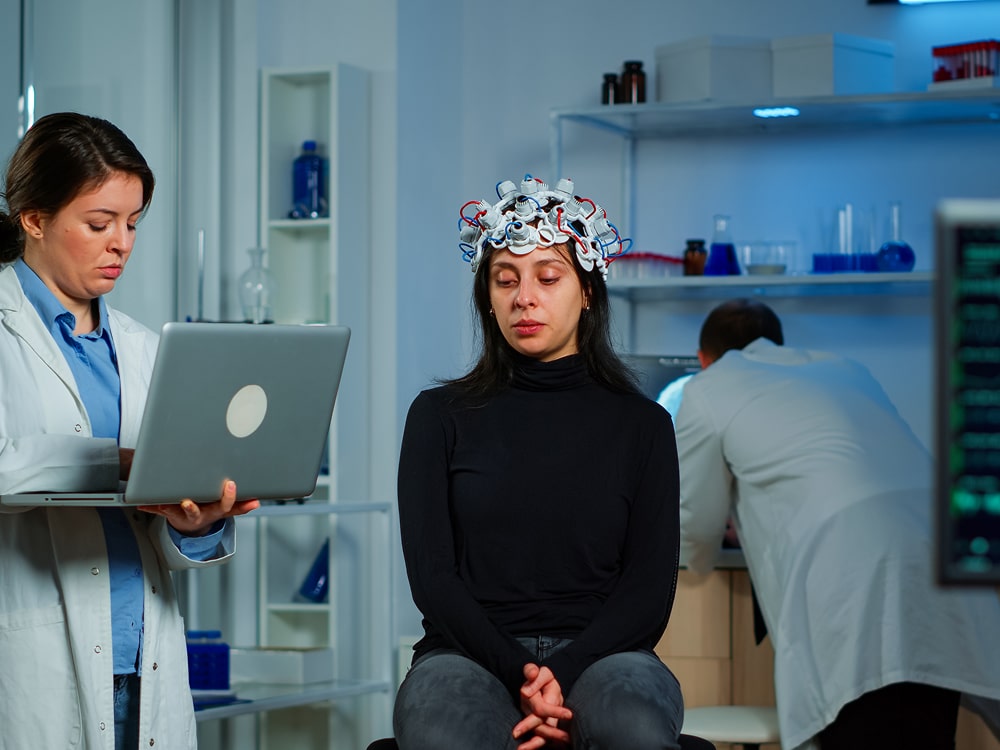
Early participants have demonstrated the ability to move a computer cursor and type using thought alone. The technology is designed to help patients with paralysis regain independence, but Musk envisions broader applications — from enhancing memory to enabling direct communication between humans and machines.
Key features include ultra‑thin electrode threads, wireless data transmission, and AI algorithms that decode brain activity in real time. The implant is designed to be minimally invasive, with robotic surgery ensuring precision placement.
Experts describe Neuralink as both revolutionary and controversial. While it promises breakthroughs in medicine and human augmentation, it also raises ethical questions about privacy, identity, and the future of human cognition.
The trials represent one of the most ambitious steps in technology today — not just improving devices, but redefining what it means to interact with the digital world.